Omo Valley tribes
Omo Valley, Ethiopia
About this Destination
It looks like you may be referring to the Omo Valley tribes of southwestern Ethiopia (often written “Omo Valley,” sometimes mistyped as “Omovally”), rather than a single “Omovally tribe.” The Lower Omo region is home to several distinct indigenous peoples, each with its own language, customs, and territory.
The Omo Valley and its peoples
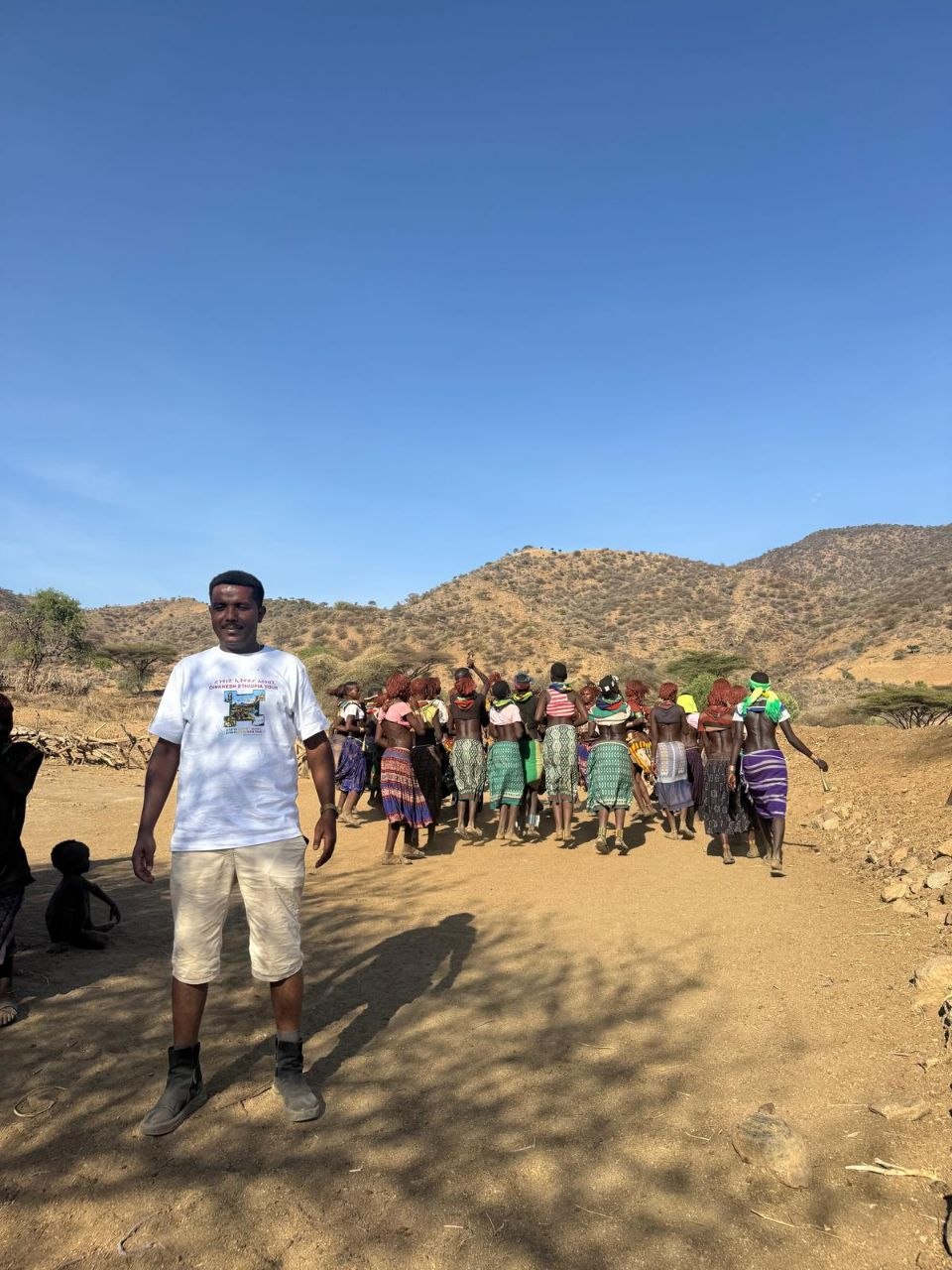
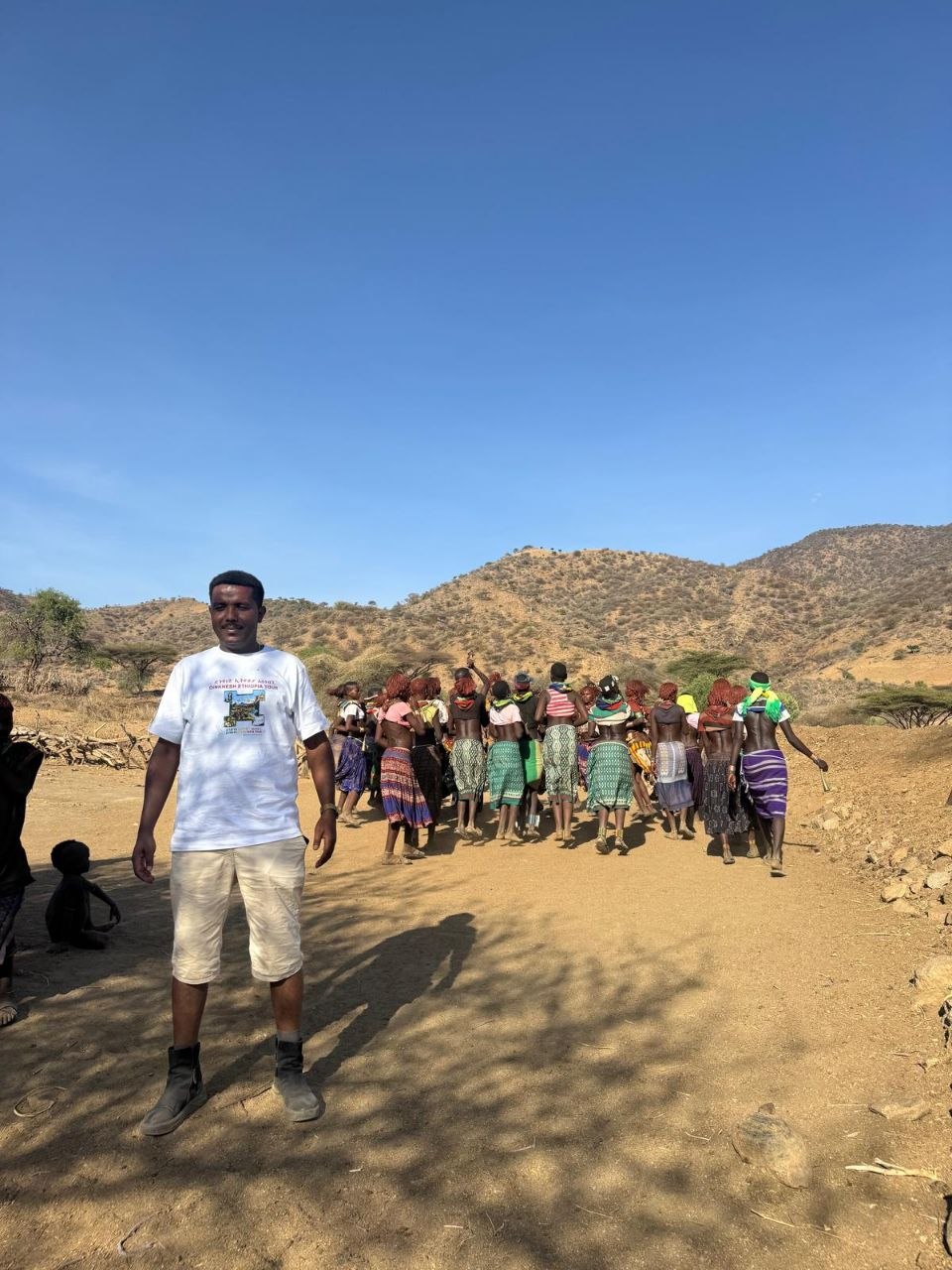
The Lower Omo River area in south west Ethiopia is home to around 200,000 people from multiple tribes that have lived there for centuries, adapting to a hot, semi arid environment along the river and surrounding plains. Commonly recognized groups include:
Mursi
Bodi (Me’en)
Suri
Hamar (Hamer)
Daasanach (Dassenech)
Karo (Kara)
Banna
Nyangatom
Each group has its own social structure, body adornment traditions, and livelihood practices, but most combine some mix of pastoralism (cattle, goats, sheep) with small scale farming, hunting, gathering, and fishing.
Livelihoods and environment
The tribes depend heavily on the Omo River’s annual flooding, which deposits fertile silt along the banks and allows “flood retreat cultivation” of crops like sorghum, maize, and beans as the waters recede.
In addition, they practice rain fed shifting cultivation in the surrounding plains, adjusting fields as soil fertility and rainfall patterns change.
Cattle, goats, and sheep are central: they provide milk, blood, meat, and hides, and serve as wealth, social status, and bride wealth payments, as well as a buffer against famine when crops fail.
Some groups, such as the Kwegu, add hunting and fishing to this mix, while Daasanach also fish and hunt crocodiles around the Omo delta and Lake Turkana.
Examples of specific tribes
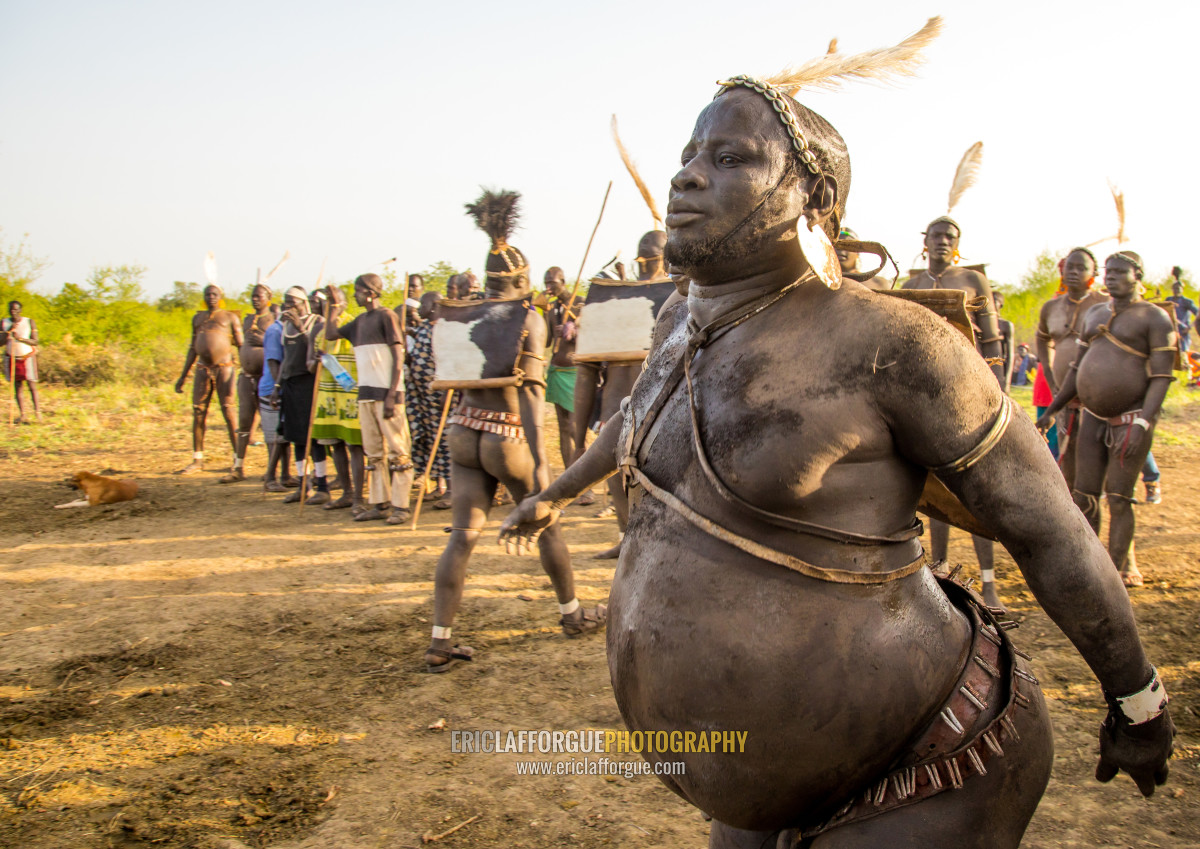
Three Mursi men from Ethiopia holding long wooden staffs in an open, earthy area.
To make “Omo Valley tribes” more concrete, here are brief examples for a few well known groups often visited or discussed:
Mursi – Surmic speaking pastoralists in Debub Omo Zone, famous for women’s lip plates and men’s ceremonial stick duels (donga); cattle exchange structures many social relationships, including marriage.
Bodi (Me’en) – Neighbours and trading partners of the Mursi; highly cattle centred pastoralists, more focused on livestock than cultivation, moving seasonally to secure new grazing.
Suri – Pastoralists (now also cultivating grains) west of the Omo; wealth and prestige are strongly tied to herd size, and villages range from a few dozen to a couple thousand people.
Hamar (Hamer) – Agro pastoralists known for elaborate hairstyles (especially women’s ochre coated braids) and initiation rituals like bull jumping; population is estimated at tens of thousands.
Daasanach – Semi nomadic people in the far south near the Omo delta and Lake Turkana, growing crops when the delta floods and otherwise living from livestock; also known for distinctive jewellery and headdresses made from recycled items like bottle caps and old electronics.
Cultural and spiritual life
Music, poetry, and song are central to identity; for example, Bodi men compose and sing poems praising their favourite cattle, while many groups have rich oral histories about origins, territory, and cattle spirits.
Rituals often link cattle, masculinity, and adulthood—such as stick fighting duels among Mursi and Suri men, or bull jumping among the Hamar as a test of readiness for marriage and adult responsibilities.
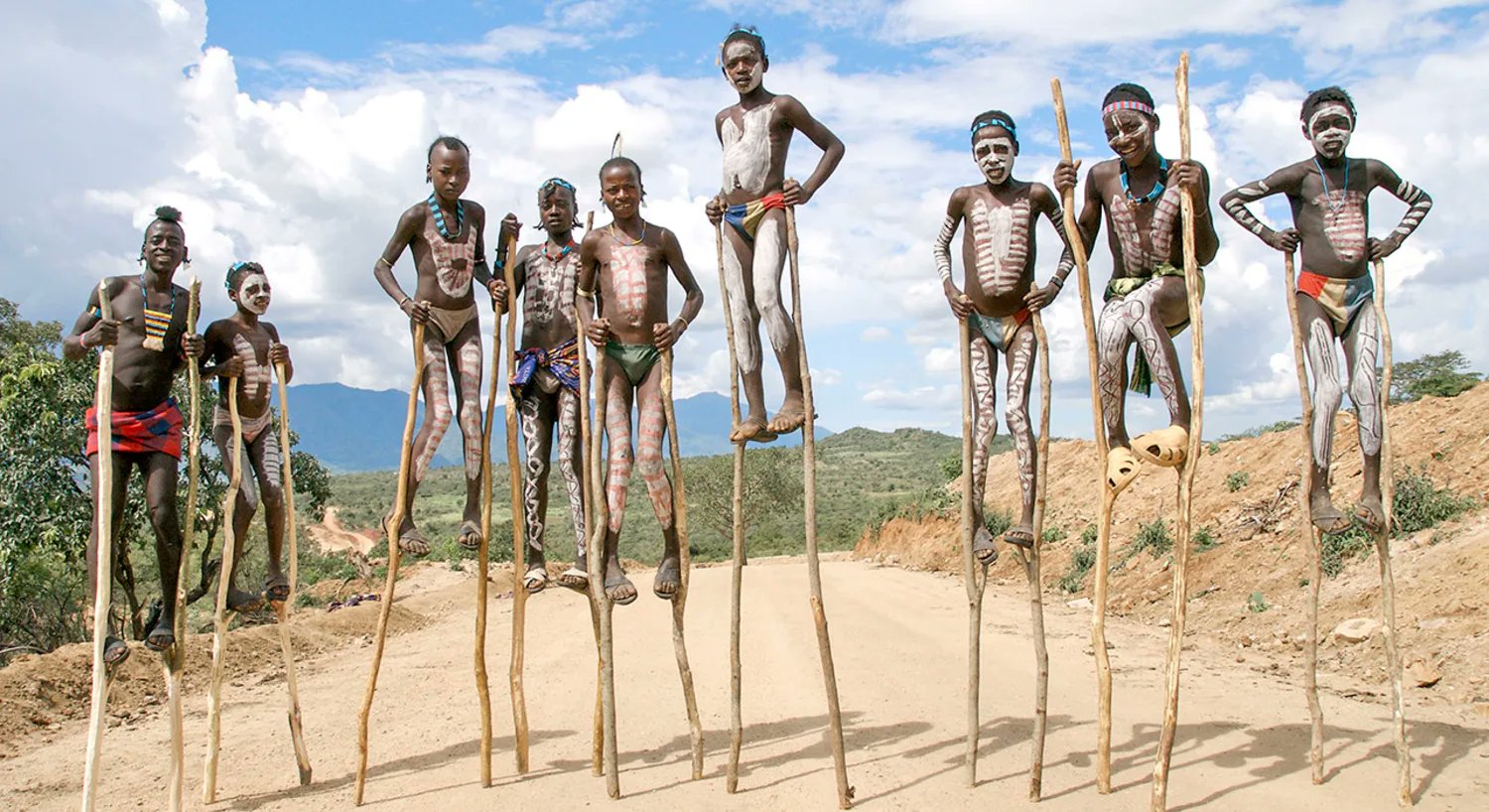
Body decoration—lip plates, scarification, beadwork, body painting—varies by tribe and carries meanings related to beauty, age, courage, and social status.
Current challenges
Large scale developments in the Lower Omo, particularly a major hydroelectric dam on the river and associated irrigated plantations, have disrupted the river’s natural flood cycle that these communities rely on for flood retreat farming and grazing.
Many local people report loss of land and livelihoods without full, free, and informed consent, increasing food insecurity and pressure on already fragile ecosystems and social systems.
If you had a specific tribe in mind (for example Mursi, Hamar, Suri, or Daasanach), tell me which one and I can write a focused, structured profile you can reuse in reports or teaching materials.
Photo Gallery