Axum
Axum City, Ethiopia
About this Destination
Axum’s Maryam Tsion complex is not only a single church but a sacred compound that anchors Ethiopian Christian identity and Axumite royal history.
Historical background
The original church is traditionally dated to the Axumite era and is widely believed to have been founded under Emperor Ezana in the 4th century, soon after Christianity became the state religion of the Kingdom of Axum.
Over the centuries, the structure was destroyed and rebuilt multiple times, including devastation traditionally associated with the campaigns of Queen Gudit in the 10th century and later conflicts in the region.
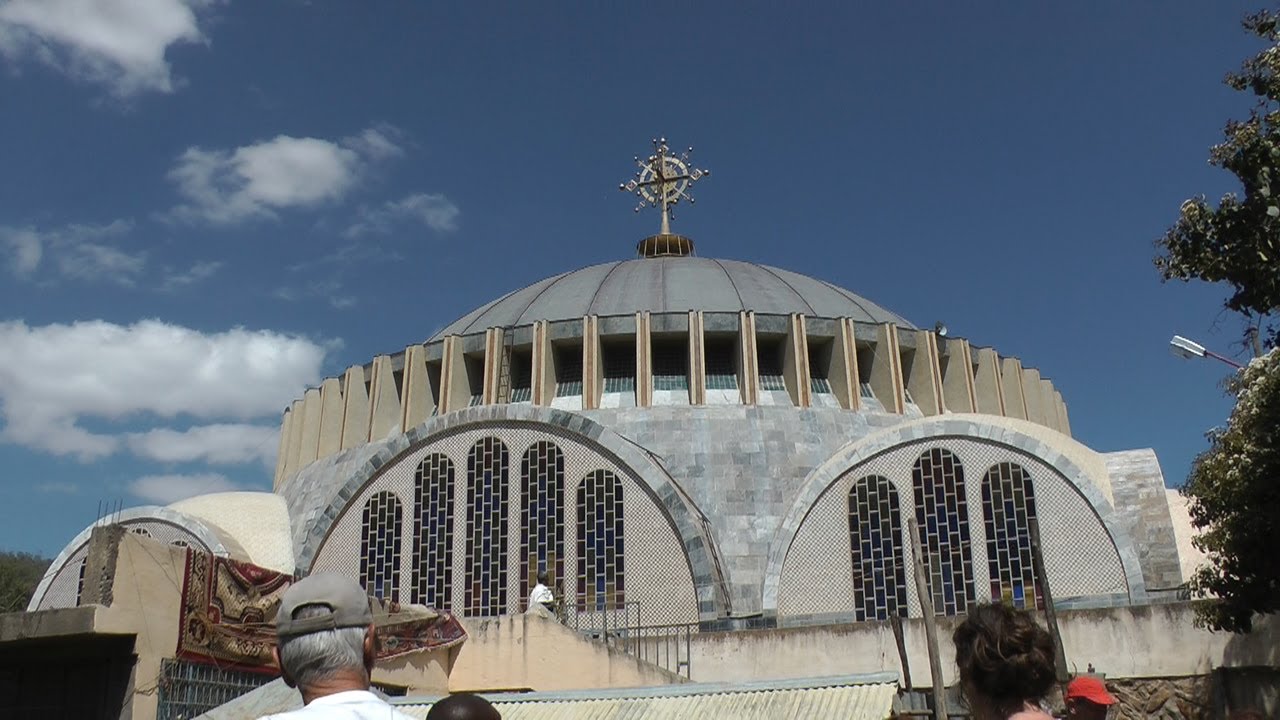
The present ensemble includes: the “Old Church” (17th century, attributed to Emperor Fasilides), the modern basilica from the mid 20th century commissioned by Emperor Haile Selassie, and the separate Chapel of the Tablet, which is linked to the Ark tradition.
Spiritual and political role
Maryam Tsion has long been viewed as the spiritual heart of the Ethiopian state, closely tied to the Solomonic dynasty’s claim of descent from Solomon and the Queen of Sheba through Menelik I.
Historically, Axum functioned as a coronation center: emperors sought legitimation by being crowned or at least blessed in connection with this sanctuary, reinforcing the connection between imperial authority, the Ark, and St. Mary.
The site also symbolizes the link between Old Testament traditions and Ethiopian Orthodox theology, where the Ark and St. Mary are understood together as signs of God’s covenant and presence with the Ethiopian people.
The Ark of the Covenant tradition
Ethiopian tradition holds that the original Ark of the Covenant, once housed in the Temple of Solomon, was brought to Ethiopia by Menelik I and eventually placed at Axum; this belief is central to Axum’s holiness and to the Hidar Zion festival.
The Ark is said to rest today in the Chapel of the Tablet within the Maryam Tsion compound, guarded by a single, life appointed monk who never leaves the chapel precincts and is solely responsible for watching over the relic.
No one, including religious and political leaders, may enter the inner sanctuary where the Ark is believed to be kept, which is why there is no external scholarly verification; access restrictions themselves reinforce the aura of mystery and sanctity.
Architecture and layout
The Old Church, rebuilt in the 17th century, reflects traditional Ethiopian church architecture with thick stone walls, internal columns, and richly colored iconography depicting biblical scenes, saints, angels, and the Virgin Mary.
Haile Selassie’s 20th century basilica introduced a large domed structure and more spacious interior, combining modern construction with Ethiopian motifs; one of the reasons for building it was to provide a church where women could worship freely, as they historically were not allowed into the Old Church sanctuary.
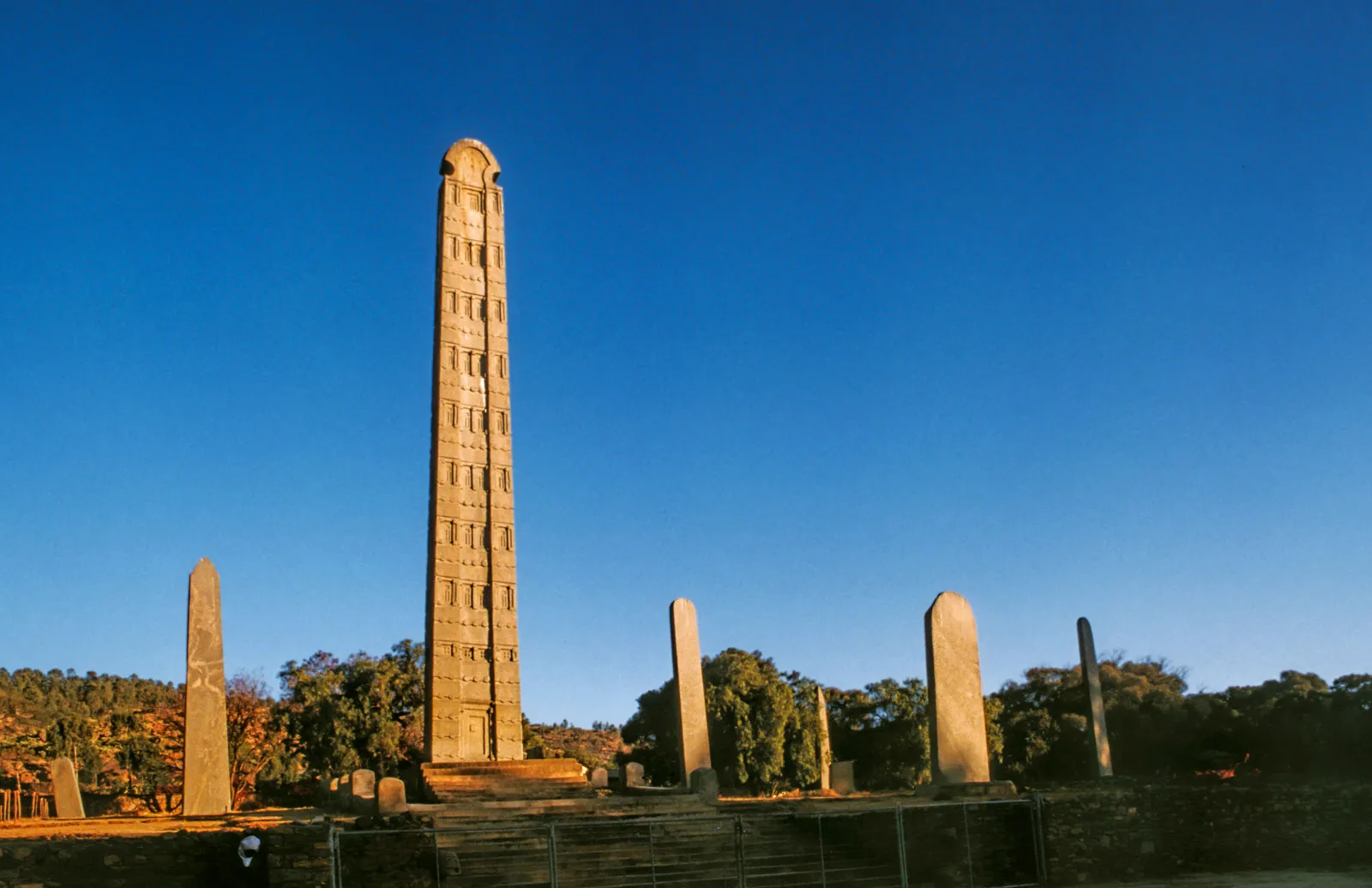
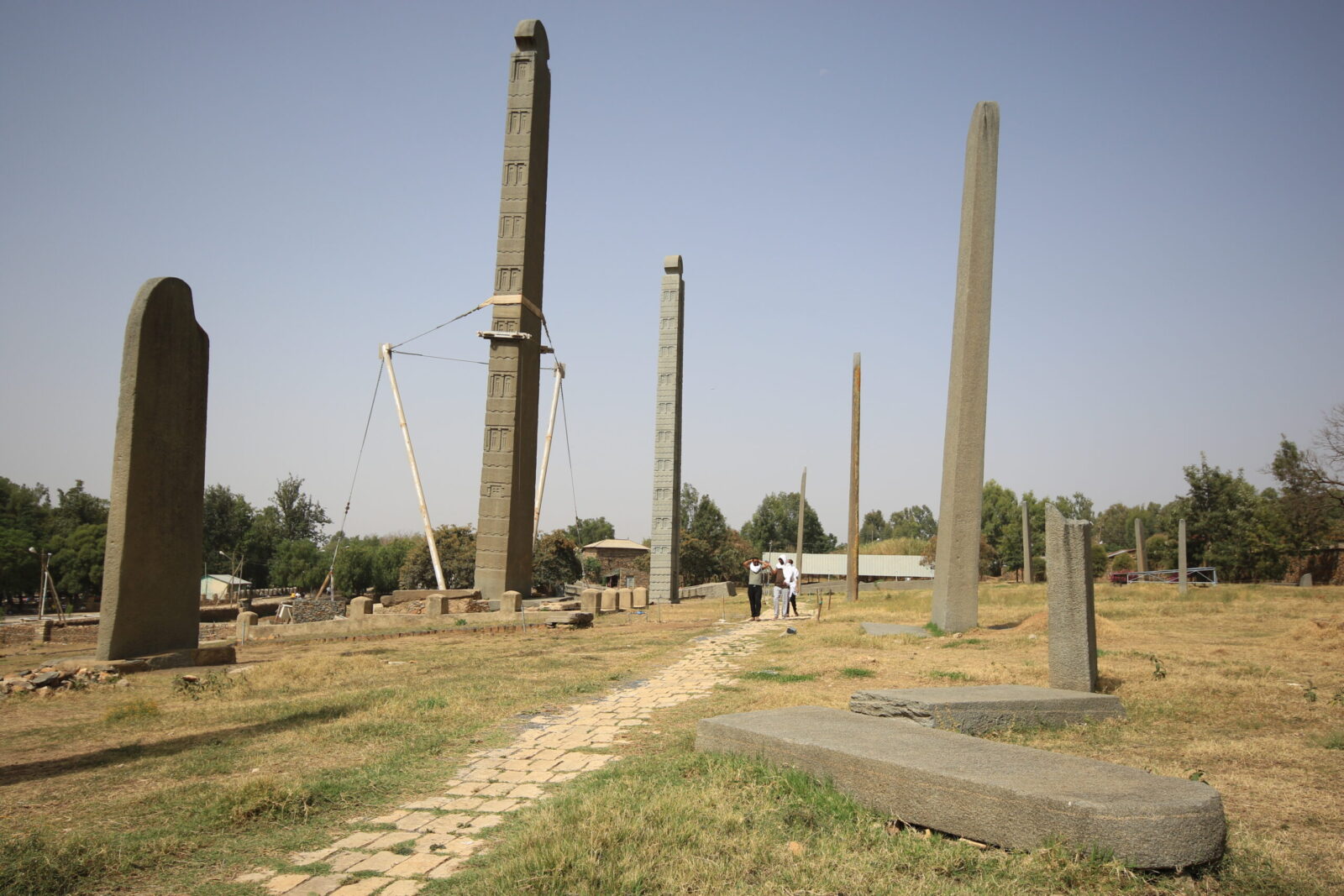
The wider compound sits near Axum’s famous stelae field, so the religious complex is visually and symbolically linked to pre Christian royal monuments, emphasizing continuity from ancient Axumite kingship to Christian empire.
Hidar Zion (Axum Zion) festival
Hidar Zion (Mariam Zion) is Axum’s main annual religious festival, celebrated on November 30 (Hidar 21 in the Ethiopian calendar; December 1 in leap years).
The feast is dedicated to St. Mary and is directly associated with the presence of the Ark; many Ethiopians see the Ark as a symbol of Mary’s womb, housing the divine Word, and the liturgy and processions highlight this theological connection.
Thousands of pilgrims travel from all over Ethiopia to Axum for several days of prayer, fasting, night long vigil, processions with tabots (altar replicas of the Ark), and communal celebration, turning the city into a vast religious gathering.
Recent conflict and vulnerability
During the Tigray War that began in 2020, reports emerged of heavy fighting and civilian casualties in Axum, including around the church area, and some accounts described worshippers attempting to protect or prevent access to the area associated with the Ark.
Because of restricted independent access and the sensitivity of the site, details remain contested, but the conflict highlighted both the vulnerability of this ancient sanctuary and its deep emotional and spiritual significance for local believers.
Photo Gallery